
POSITIVE CHARGE / POWDER / DEWATERING
Cationic
Polyelectrolyte
Match charge density and molecular profile to the sludge, active dose and mechanical dewatering route.
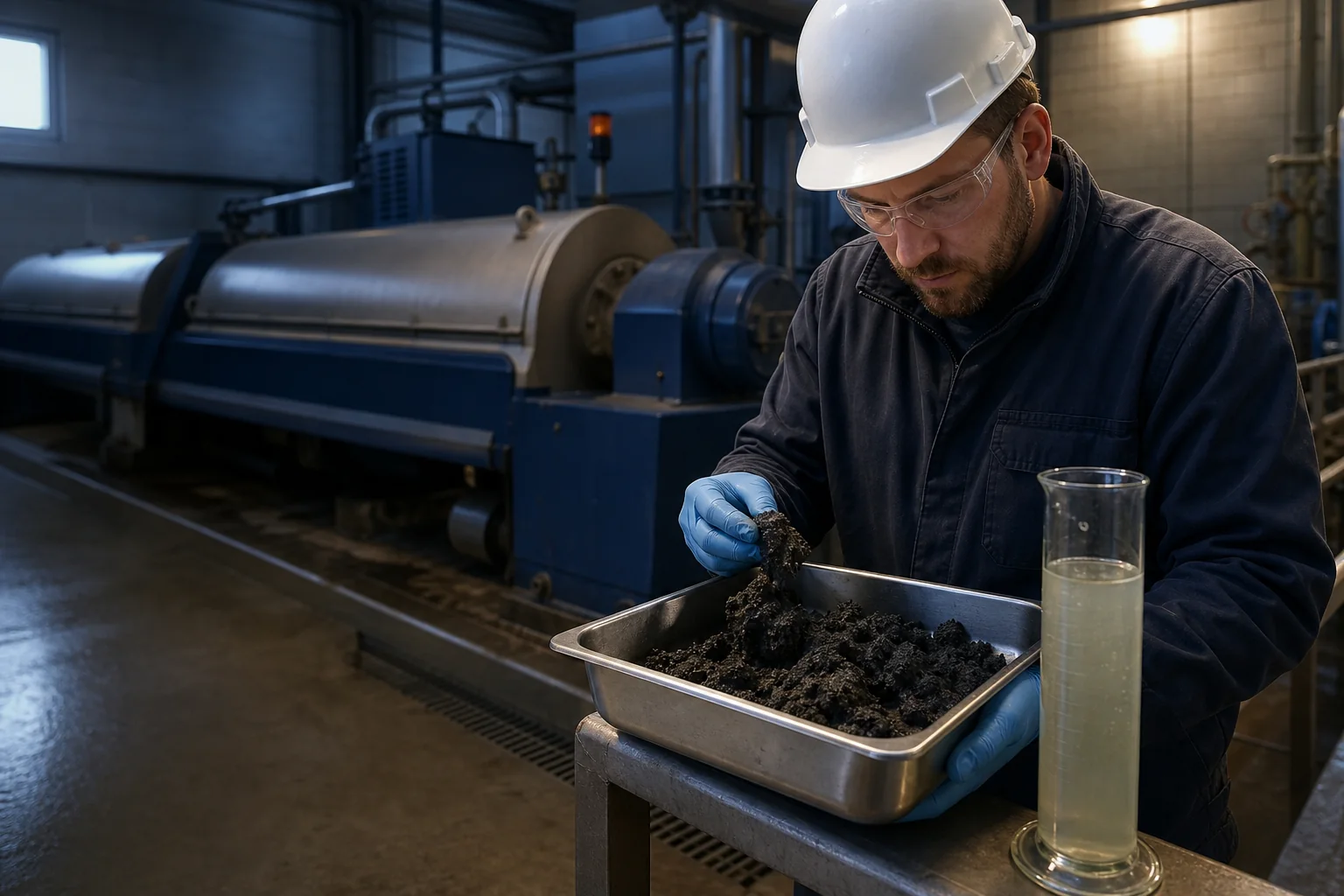
A positive polymer is only useful when it releases water in the actual machine.
Charge interaction, chain length, preparation and equipment shear shape the result together. Grade selection should retain centrate or filtrate, capture, cake solids, throughput and active treatment cost.
Powder samples, technical documents and export supply are provided by Gongyi Xinqi Polymer Co., Ltd.
Place three adjacent profiles on the same dose curve.
Full grade matrix →Medium-Charge Cationic Polyelectrolyte
Screen medium-charge cationic polyelectrolyte for mixed sludge using charge demand, floc strength, drainage, capture, cake solids and active treatment cost.
High-Charge Cationic Polyelectrolyte
Evaluate high-charge cationic polyelectrolyte for difficult biological sludge through charge demand, dose response, drainage, cake solids and recycle quality.
High-Molecular-Weight Cationic Polyelectrolyte
Test high-molecular-weight cationic polyelectrolyte for bridging, floc strength, distribution, shear, drainage and equipment-specific sludge dewatering.
Read conditioning through the equipment sequence.
Cationic Polyelectrolyte for Centrifuge Dewatering
Select cationic polyelectrolyte for decanter centrifuge dewatering using feed solids, shear, capture, centrate, cake solids, torque and throughput.
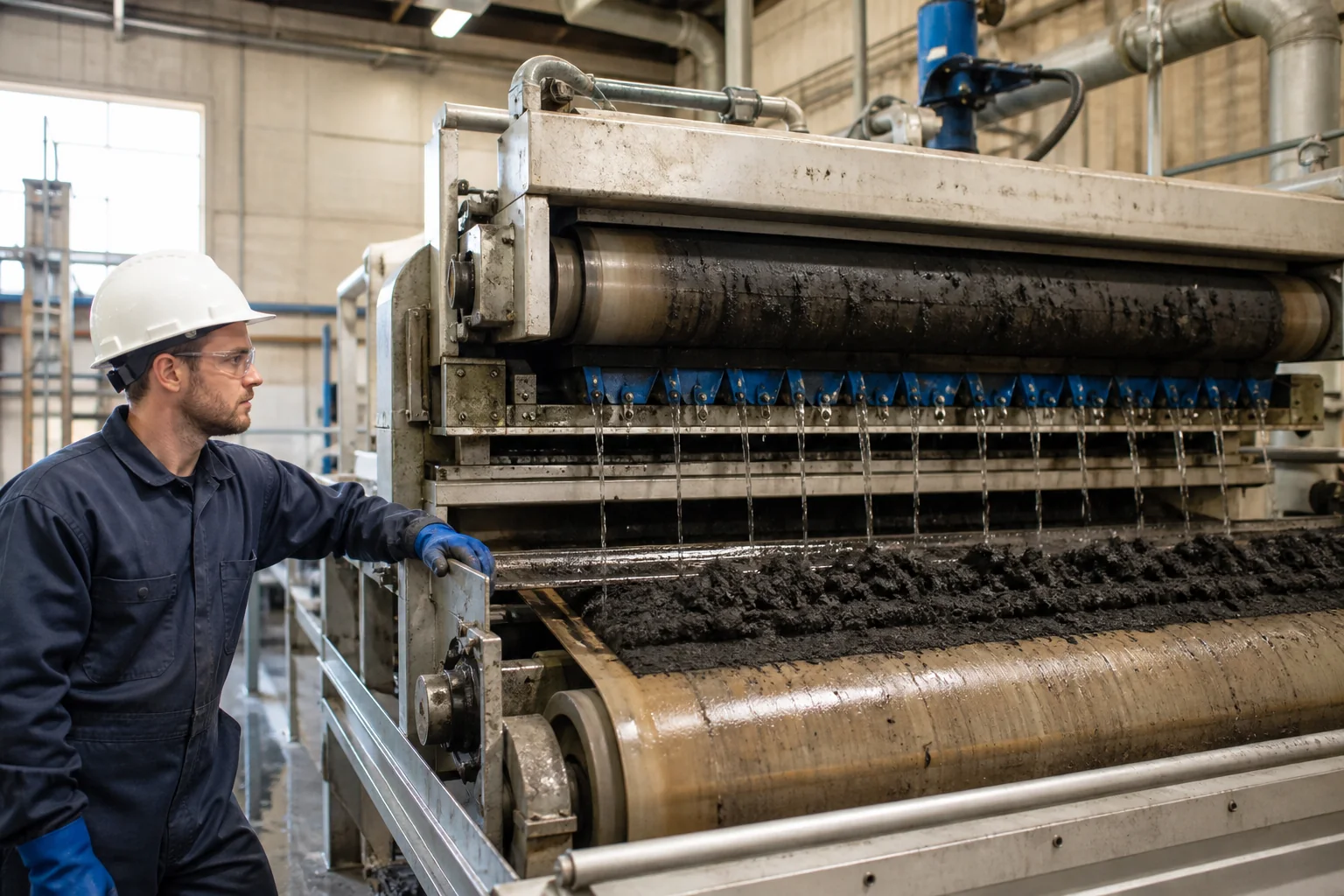
Cationic Polyelectrolyte for Belt Filter Press
Optimize cationic polyelectrolyte for belt press gravity drainage, filtrate, cake permeability, solids capture, belt speed, pressure and wash-water demand.
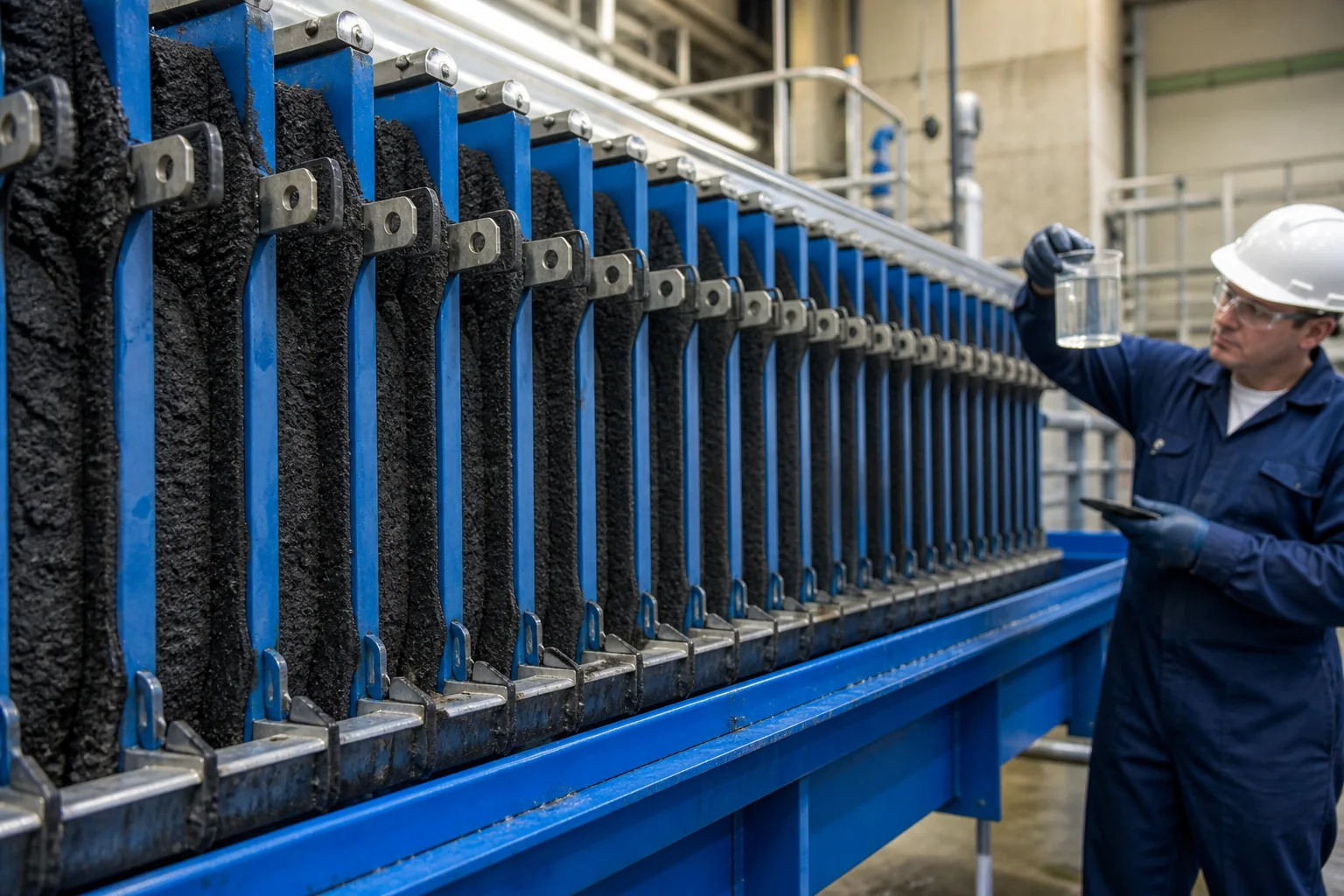
Cationic Polyelectrolyte for Filter Press Conditioning
Evaluate cationic polyelectrolyte for chamber filter press filling, filtrate clarity, pressure development, cycle time, cake solids and release.
Eight procedures for selection, dosing, preparation and purchase.
Each record answers one operating or commercial decision.
Open the dossier library →Send the sludge and machine before samples travel.
Include dry solids, current chemistry, preparation, equipment, active dose, measured target, quantity and destination.